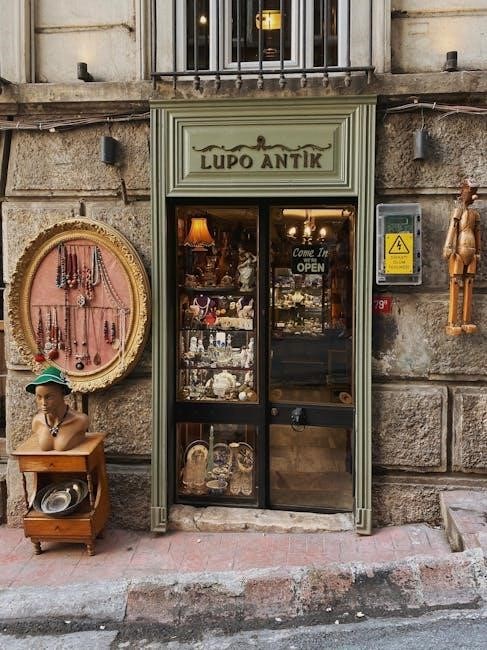
The Antique Hunter’s Guide: A Comprehensive Plan
Embark on a rewarding journey! Discover YouTube’s vast resources, from music clips to popular videos, and learn to navigate the platform effectively for antique insights.
Delving into the past through antique hunting is an exciting and potentially rewarding pursuit. It’s a journey that combines historical exploration, detective work, and a keen eye for beauty and value. Platforms like YouTube, surprisingly, can be invaluable resources, offering tutorials on identification, restoration, and market trends.
However, remember the digital world isn’t without its shadows; the 2018 shooting at YouTube’s headquarters serves as a stark reminder of real-world implications. For younger enthusiasts, YouTube Kids provides a safer, curated environment. Ultimately, antique hunting is about connecting with history, appreciating craftsmanship, and discovering unique treasures – a hobby accessible to all.
Understanding Antique Value
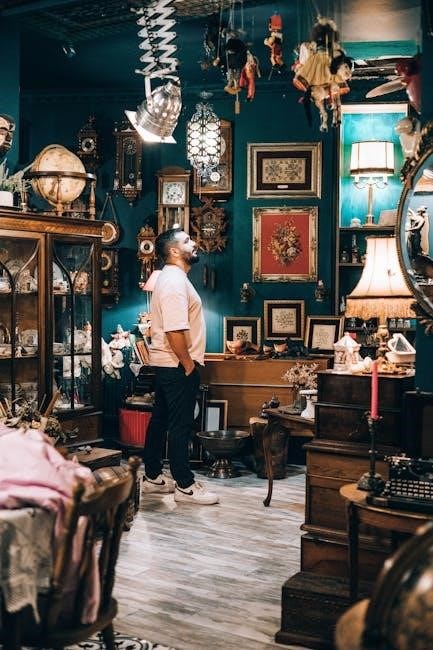
Determining an antique’s worth is a multifaceted process, far beyond initial aesthetic appeal. While YouTube offers a wealth of information – from identifying hallmarks to assessing gemstone quality – it’s crucial to remember that online content varies in accuracy. The platform’s global reach showcases diverse content, mirroring the worldwide antique market.
Value is influenced by rarity, condition, provenance (history of ownership), and current demand. Consider the platform’s evolution; YouTube Kids demonstrates adapting to user needs. Just as YouTube allows sharing content globally, antiques themselves tell stories across time and borders. Thorough research is paramount before any purchase.
Factors Influencing Antique Prices
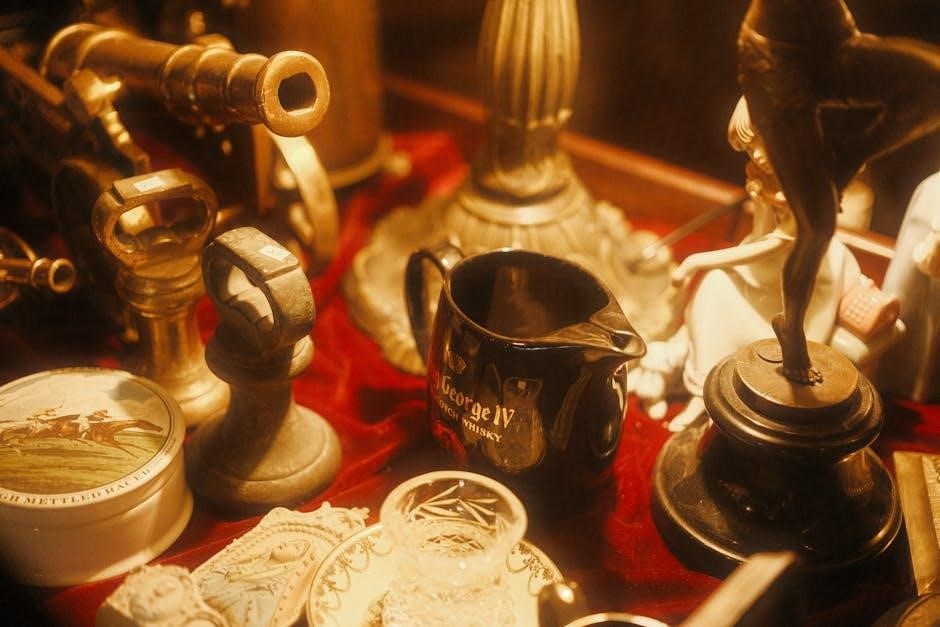
Several key elements dictate an antique’s market price, mirroring the dynamic content found on platforms like YouTube. Like trending videos, demand significantly impacts value; popular styles command higher prices. Rarity, determined by production numbers and survival rates, is crucial. Condition plays a vital role – restoration can both increase and decrease worth.
Provenance, the item’s documented history, adds substantial value, akin to a video’s creator history on YouTube. Economic conditions and collector preferences also shift prices. Just as YouTube adapts with features like YouTube Kids, the antique market evolves with tastes.
Condition and Restoration
An antique’s condition profoundly affects its value, much like video quality on YouTube impacts viewership. Original, untouched pieces generally fetch higher prices, but significant damage necessitates restoration. However, over-restoration can diminish value, erasing historical evidence.
Professional restoration is often preferable, preserving authenticity. Minor repairs are acceptable, but alterations should be disclosed. Consider the cost of restoration versus the potential increase in value. Like YouTube’s evolving platform, restoration requires careful consideration to maintain integrity and appeal.
Popular Antique Categories
The antique world, much like YouTube’s diverse content, offers a wide array of collecting categories. Furniture consistently ranks high, encompassing various styles and eras. Ceramics and pottery, with their identifying marks, attract many enthusiasts. Vintage jewelry, scrutinized for hallmarks and gemstones, is another popular choice.
Other sought-after items include antique clocks, silver, artwork, and vintage textiles. Exploring these categories is akin to browsing YouTube’s trending videos – discovering hidden gems requires patience and research. Each category presents unique challenges and rewards for the dedicated hunter.
Furniture – Styles and Eras
Navigating furniture styles is like exploring YouTube’s content – vast and varied! From the ornate curves of Rococo to the streamlined designs of Art Deco, each era boasts distinct characteristics. Victorian furniture, known for its lavish detailing, contrasts sharply with the simplicity of Shaker pieces.
Understanding these styles, alongside construction techniques, is crucial. Chippendale, Queen Anne, and Mid-Century Modern represent significant periods. Just as YouTube offers diverse videos, furniture spans centuries, demanding diligent research to identify authenticity and value; Careful observation reveals a piece’s history.
Ceramics & Pottery – Identifying Marks
Decoding ceramic and pottery marks is akin to searching on YouTube – uncovering hidden information! Manufacturers’ marks, often found on the base, provide vital clues about origin, date, and authenticity. These can range from simple initials to elaborate logos, mirroring the diverse content available online.
Researching these marks using online databases, similar to exploring YouTube channels, is essential. Look for factory symbols, painter’s marks, and decorative patterns. Understanding these details helps distinguish genuine antiques from reproductions. Just as YouTube Kids offers curated content, specialized resources exist for ceramic identification.
Vintage Jewelry – Hallmarks and Gemstones
Unlocking the secrets of vintage jewelry resembles navigating YouTube’s diverse content – requiring careful observation! Hallmarks, tiny stamps indicating metal purity and origin, are crucial. Like searching for specific videos, identifying these marks requires knowledge and resources. Look for stamps denoting gold karatage (e.g., 14K, 18K) or silver content (e.g;, Sterling).
Gemstone identification is equally important. Understanding cuts, clarity, and settings helps determine value. Just as YouTube allows content creators to share their work, jewelers historically marked their pieces. Researching gemstone characteristics and hallmark meanings, similar to exploring YouTube tutorials, is key to authenticating pieces.
Where to Find Antiques
The hunt for antiques mirrors exploring YouTube’s vast library – diverse avenues await! Antique shops and malls offer curated selections, providing a focused browsing experience. Flea markets and garage sales present a treasure-hunt atmosphere, demanding patience and a keen eye. Online auctions, much like YouTube’s streaming capabilities, broaden your reach geographically.
Live auctions offer excitement and potential bargains, while online platforms provide convenience. Remember YouTube’s content variety; antique sources vary greatly. Thorough research and careful inspection are vital, regardless of the venue. Embrace the journey, and enjoy the thrill of discovery!
Antique Shops & Malls
Antique shops and malls, akin to curated channels on YouTube, offer focused browsing experiences. These venues typically showcase higher-quality, pre-vetted items, reducing the risk of encountering fakes. Expect to pay a premium for this convenience and assurance of authenticity.
However, knowledgeable staff can provide valuable insights into an item’s history and provenance – a benefit similar to expert commentary found on YouTube. Malls consolidate multiple dealers, offering diverse selections. Remember to compare prices and negotiate politely, just as you’d seek the best content on any platform!
Flea Markets & Garage Sales
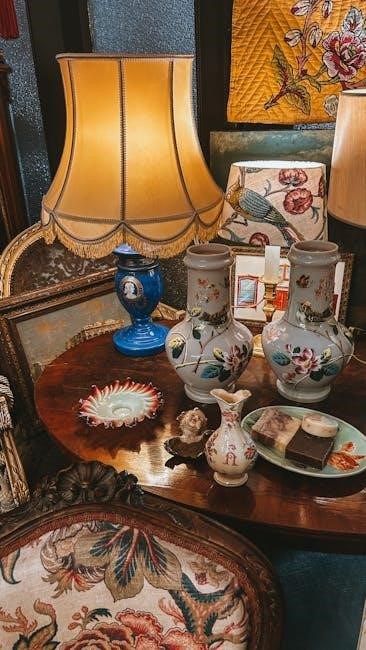
Flea markets and garage sales represent the wild west of antique hunting – a vast, uncurated landscape like exploring all of YouTube at once! Expect to sift through a lot of “content” to find hidden gems. Prices are generally lower, offering significant potential for bargains, but authentication is your responsibility.
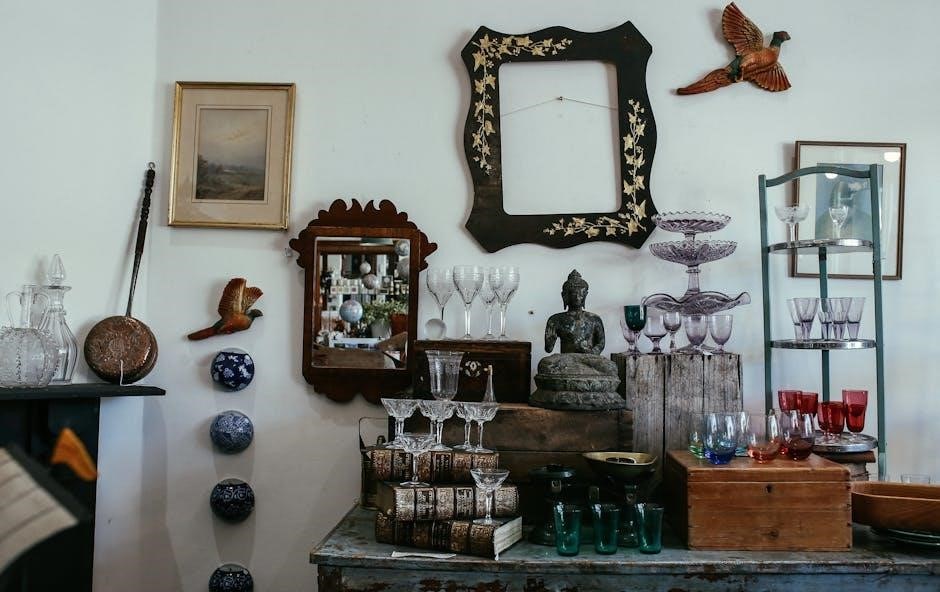
Be prepared to haggle respectfully; it’s part of the experience. Thorough inspection is crucial, as items are often sold “as is.” Like discovering a viral video, finding a treasure requires patience and a keen eye. Research beforehand to recognize value and avoid reproductions.
Auctions – Live and Online
Auctions, both live and online, offer a dynamic, competitive arena for acquiring antiques – akin to the fast-paced world of YouTube trends. Live auctions provide immediate gratification and the thrill of bidding, while online platforms offer convenience and a wider selection.
Thoroughly research the auction house and preview items beforehand. Understand the bidding process, including buyer’s premiums and taxes. Set a firm budget and stick to it, avoiding impulsive bids. Like carefully selecting videos, due diligence is key. Provenance information is often available, aiding authentication.
Essential Tools for Antique Hunters
Equipping yourself with the right tools is crucial, much like having the official YouTube app for seamless access to content. A magnifying glass reveals intricate details and hallmarks often missed by the naked eye, while a UV light can detect repairs or later additions.
Measuring tools ensure accurate assessments for furniture or ceramics. A notebook is vital for recording details – provenance, markings, condition – mirroring how you’d save favorite YouTube videos. Don’t forget a reliable flashlight and a camera to document finds before purchase!
Magnifying Glass & UV Light
A magnifying glass is your first line of defense, revealing subtle details like maker’s marks and craftsmanship – akin to closely examining content on YouTube. Look for hallmarks, tiny scratches, or imperfections indicative of age and authenticity.
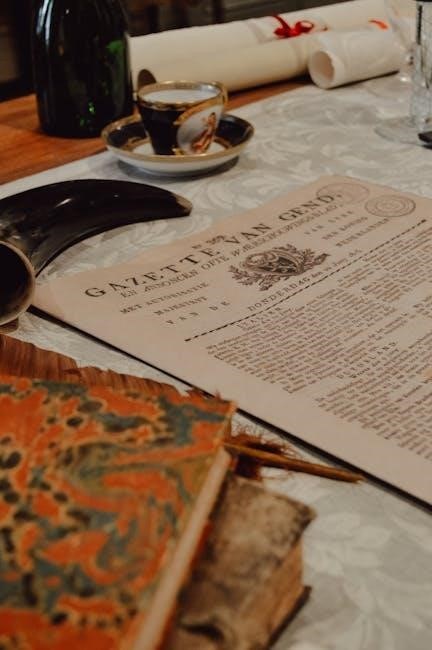
UV light unveils hidden repairs, restorations, or the use of later materials. It exposes fluorescence in certain adhesives or varnishes, signaling potential issues. Just as YouTube Kids offers a curated experience, these tools offer a deeper look, ensuring informed decisions and avoiding costly mistakes.
Measuring Tools & Notebook
Precision is paramount! A small tape measure and ruler are essential for verifying dimensions, ensuring an item fits your space, and confirming consistency with descriptions – much like checking video lengths on YouTube. Record all measurements meticulously.
A dedicated notebook is your antique hunting journal. Document details: dimensions, marks, provenance clues, seller information, and your initial impressions. This detailed record, similar to saving favorite videos, aids future research and negotiation. Don’t rely on memory; comprehensive notes are invaluable for informed decisions.
Identifying Fakes and Reproductions
Be a discerning detective! Just as YouTube filters content, you must filter authenticity. Look for inconsistencies in style, materials, and construction. Examine wear patterns – genuine age shows specific wear; Be wary of items appearing “too good to be true,” mirroring misleading online content.
Research hallmarks and maker’s marks thoroughly. Reproductions often have errors or lack proper markings. Investigate provenance; a solid history adds credibility. If something feels off, trust your instincts and seek expert opinion – a cautious approach prevents costly mistakes, like believing everything seen online.
Common Red Flags
Stay vigilant! Like spotting inappropriate videos on YouTube, recognize warning signs. Excessive cleaning or a “freshly aged” appearance are suspect. Mismatched components or repairs that don’t align with the era raise concerns. Be cautious of sellers unwilling to provide detailed photos or a history of the item.
Beware of overly enthusiastic claims or pressure to buy quickly. If documentation is missing or incomplete, proceed with extreme caution. Remember the YouTube shooting – vigilance matters! Trust your gut; if something feels amiss, it probably is. Thorough research is your best defense.
Researching Provenance
Uncover the story! Just as YouTube hosts diverse content, an antique’s history is multifaceted. Provenance – the item’s documented ownership trail – is crucial. Start with any existing receipts, labels, or markings. Explore auction records, historical societies, and online databases for similar pieces.
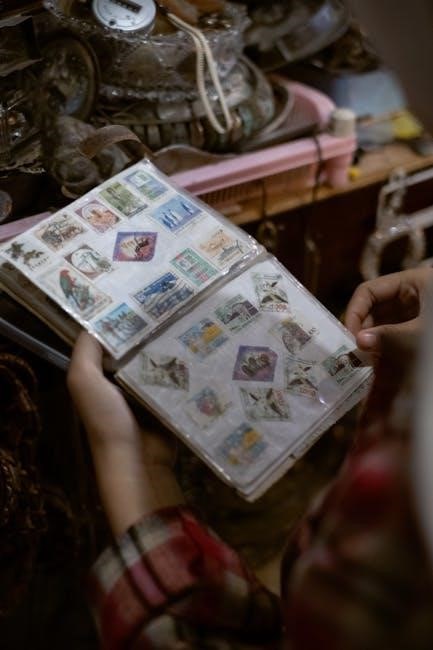
Delve into family histories if possible, seeking corroborating evidence. Remember the YouTube Kids platform – targeted research is key! A solid provenance significantly boosts value and authenticity. Don’t rely solely on the seller’s word; independent verification is essential. A well-documented past adds immeasurable worth.
Negotiation Strategies for Antique Purchases
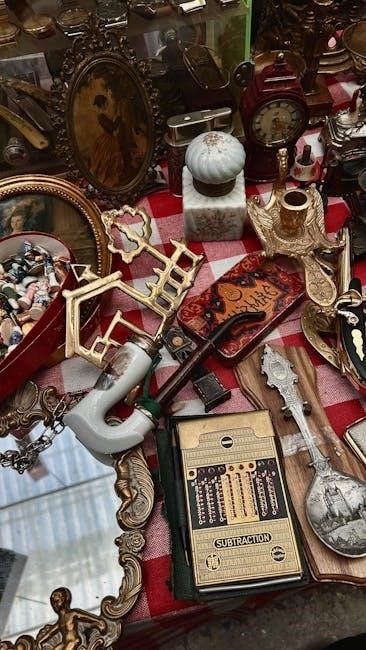
Master the art of the deal! Like sharing content on YouTube, successful negotiation requires finesse. Know your budget – a firm limit is vital. Research comparable sales to justify your offer. Politely point out any flaws, but avoid being overly critical.
Be prepared to walk away; don’t get emotionally attached. A friendly, respectful approach often yields better results. Consider offering cash for a discount. Remember, sellers often expect some bargaining. Just as YouTube allows creators to monetize, sellers aim for profit – find a mutually agreeable price!
Knowing Your Budget
Establish financial boundaries! Before diving into antique hunting, define a clear budget, much like deciding how much time to spend exploring YouTube. This prevents overspending and impulsive buys. Factor in not only the purchase price but also potential restoration costs and shipping fees.
Separate funds for different categories – furniture, jewelry, ceramics. Prioritize items; what are your “must-haves” versus “nice-to-haves”? Just as YouTube offers diverse content, antiques vary greatly in price. Stick to your pre-determined limits, and don’t be swayed by pressure tactics.
Polite but Firm Bargaining
Master the art of negotiation! Approach bargaining with respect, similar to engaging with content creators on YouTube. Begin by politely inquiring if the price is negotiable. Research comparable items beforehand to justify your offer. Highlight any flaws or needed repairs, but avoid being overly critical.
Be prepared to walk away if the seller is unwilling to compromise. A firm, yet courteous, stance often yields results. Remember, antique dealers, like YouTube personalities, need to make a living, so aim for a fair price for both parties.
Caring for Your Antique Treasures
Preserve history with diligent care! Just as YouTube content requires upkeep and moderation, antiques demand proper attention. Begin with gentle cleaning, avoiding harsh chemicals. Research appropriate methods for each material – wood, ceramic, or metal – to prevent damage.
Control humidity and temperature to minimize deterioration. Proper storage, away from direct sunlight and extreme fluctuations, is crucial. Regular inspection helps identify potential issues early. Like sharing valuable content, protecting your antiques ensures their longevity for generations to come.
Cleaning and Preservation Techniques
Gentle methods are key to longevity! Similar to curating a YouTube channel, antique preservation requires careful selection of techniques. Dust regularly with soft cloths; avoid abrasive cleaners. For wood, beeswax polish can nourish and protect. Ceramics benefit from mild soap and water, while metals require specialized polishes.
Always test cleaning solutions in an inconspicuous area first. Consider professional cleaning for delicate items. Like YouTube’s content guidelines, preservation aims to maintain authenticity. Preventative measures, such as UV protection, are vital for long-term care.
Proper Storage and Display
Protect your treasures like valuable YouTube content! Stable environments are crucial; avoid direct sunlight, extreme temperatures, and humidity. Store textiles in acid-free tissue paper; Display furniture away from heat sources. Securely mount artwork to prevent damage, mirroring YouTube’s platform security.
Rotate displayed items to minimize light exposure. Use padded shelving and avoid overcrowding. Consider museum-quality display cases for fragile pieces. Proper storage and display aren’t just about aesthetics; they’re about preserving history, much like archiving significant online videos.